
Why It Is Hard for Early-Stage SHAPE Ventures to Raise Investments
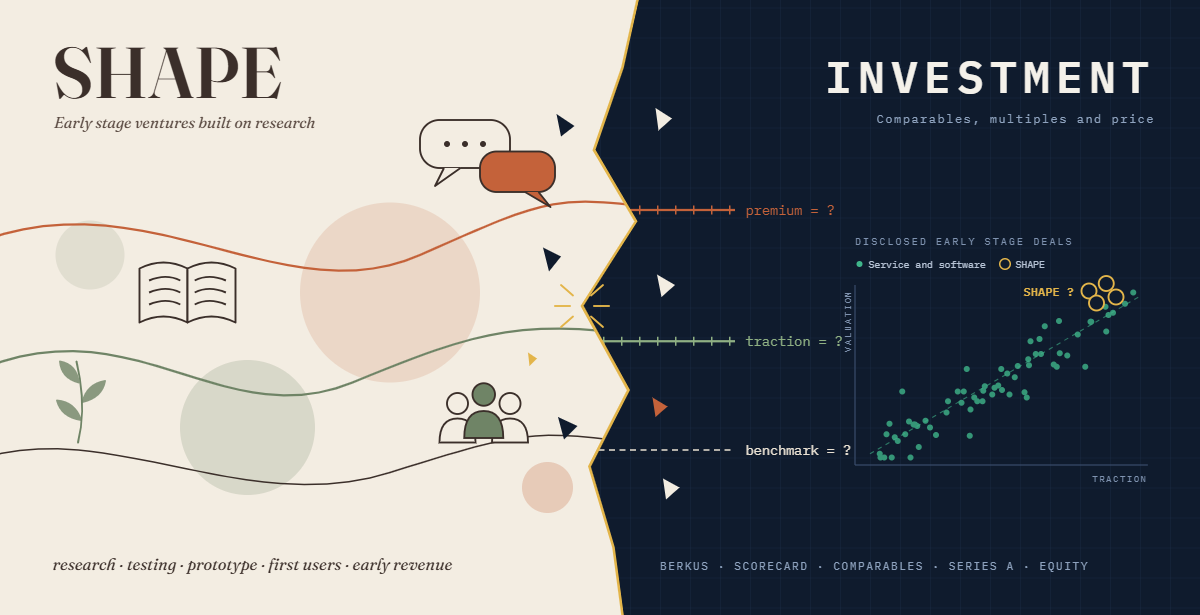
By Dr Frank Wong While we started interrogating how to value early-stage SHAPE ventures, we realised that the problem is SHAPE ventures usually self-fund until initial market traction is demonstrated. At Oxentia, we have been reflecting on the gap in early-stage SHAPE venture valuation methodologies. We found that early-stage startup valuation tools, such as the […]

Supporting women entrepreneurs: why it takes an ecosystem
By Andreea Iacoban Women’s entrepreneurship has been on the policy agenda for years. A lot of evidence has been gathered on key challenges and new funding commitments have been announced. Yet if we think the gap has been solved, we are mistaken. Recent figures from the 2025 House of Commons report on Female entrepreneurship 1 […]

Shared TTO hubs: Building economies of scale in knowledge exchange
In an era when innovation ecosystems are under increasing pressure to deliver both societal and economic impact, the question is no longer whether collaboration matters—it’s how we make it work. Across the UK, universities and research organisations are recognising that by pooling their technology transfer capabilities, they can amplify impact, accelerate spinouts, and make knowledge exchange more sustainable. This […]

Why the UK should commercialise research for social good – not just profit
For the past six years, I’ve worked across sectors to build an ecosystem that supports the commercialisation of research for social impact – not just profit. While existing schemes don’texclude social outcomes, they’re primarily designed to attract funding for expensive technological or medical innovations. This often sidelines social value, which rarely offers a high financial return. Focusing on SHAPE disciplines – Social […]
Building spin‑out ready universities: How Oxentia supports the next generation of academic ventures
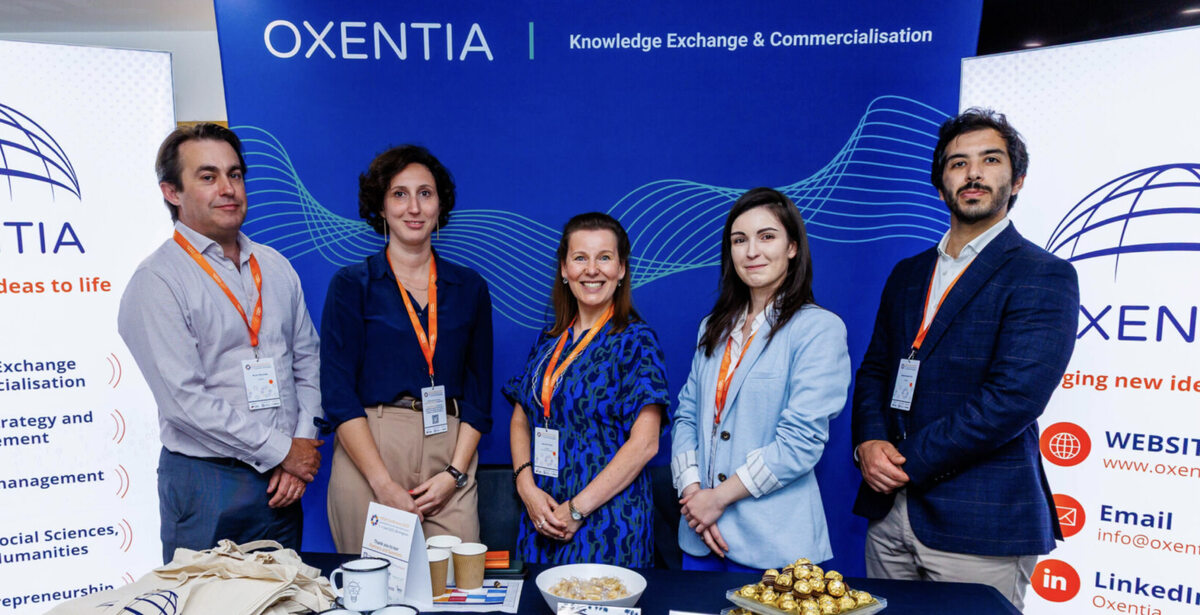
University spin‑outs are firmly in the spotlight. The publication of the UK’s first world‑leading register of university spin‑out companies (https://www.ukri.org/news/world-leading-register-of-uk-university-spin-outs-published/) marks a step change in transparency and evidence around how universities translate research into companies, providing, for the first time, an authoritative baseline of spin‑out activity across the UK. This milestone responds directly to recommendations […]

Why Most Academic Facilities Fail to Generate Revenue (and How to Fix It)
Put simply, too many universities across the UK possess world-class research facilities which are not realising their potential as reliable, revenue generating service centres. At a time when universities are under relentless pressure to diversify income, opening up research facilities to external paying clients is an attractive option. However, this rarely happens consistently. Surely, if excellent facilities are on offer, a service fit for purpose will naturally […]
What to include in a pitch deck?
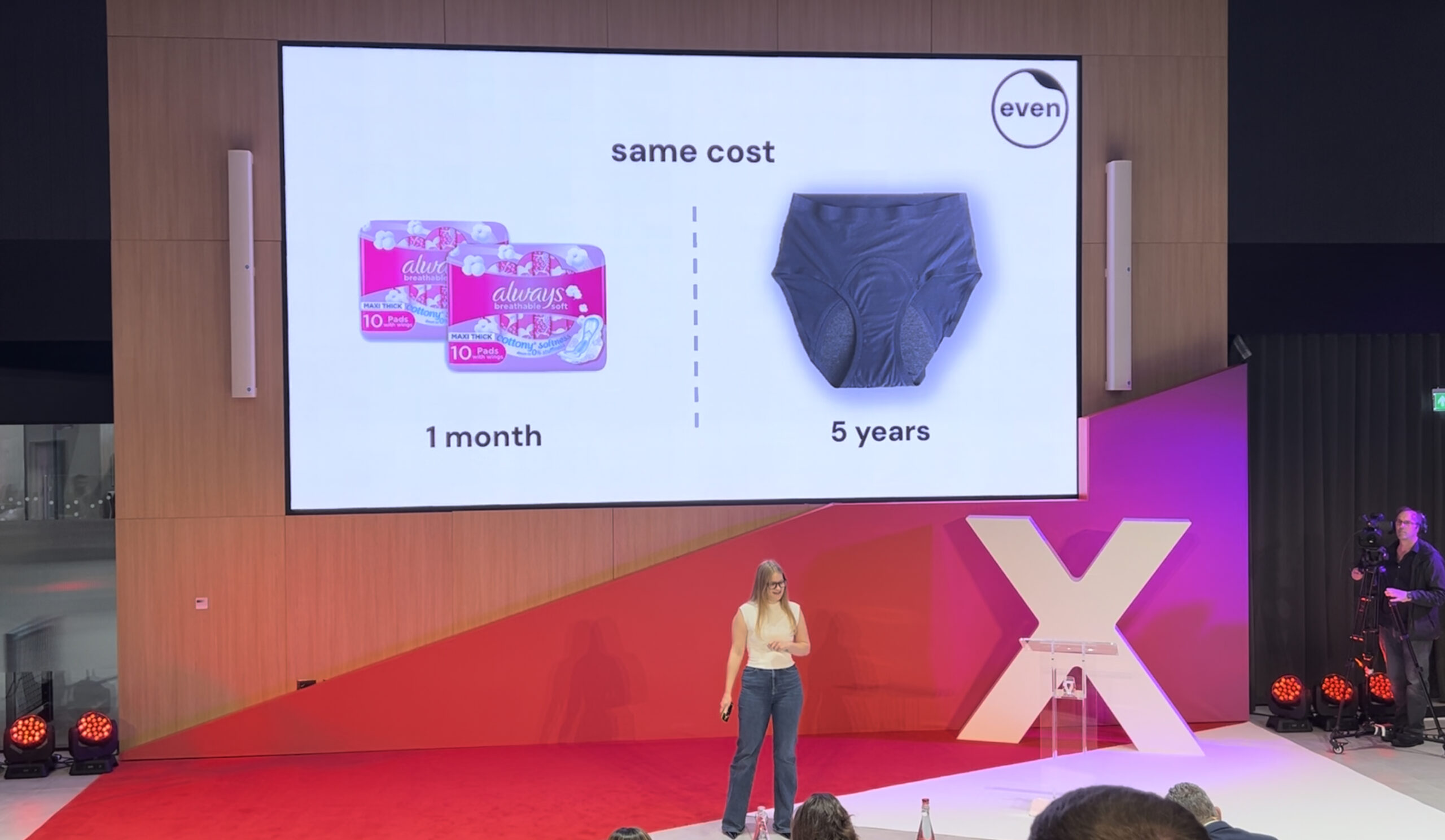
When commercialising a new technology, one of your most critical tools is pitching. A pitch is a short presentation, typically 3-5 minutes, in which you grab attention towards your project. Innovators usually have a specific goal when pitching, often to get meetings with potential investors. During that meeting, you can explain the technology in detail. For the pitch, it is best to […]
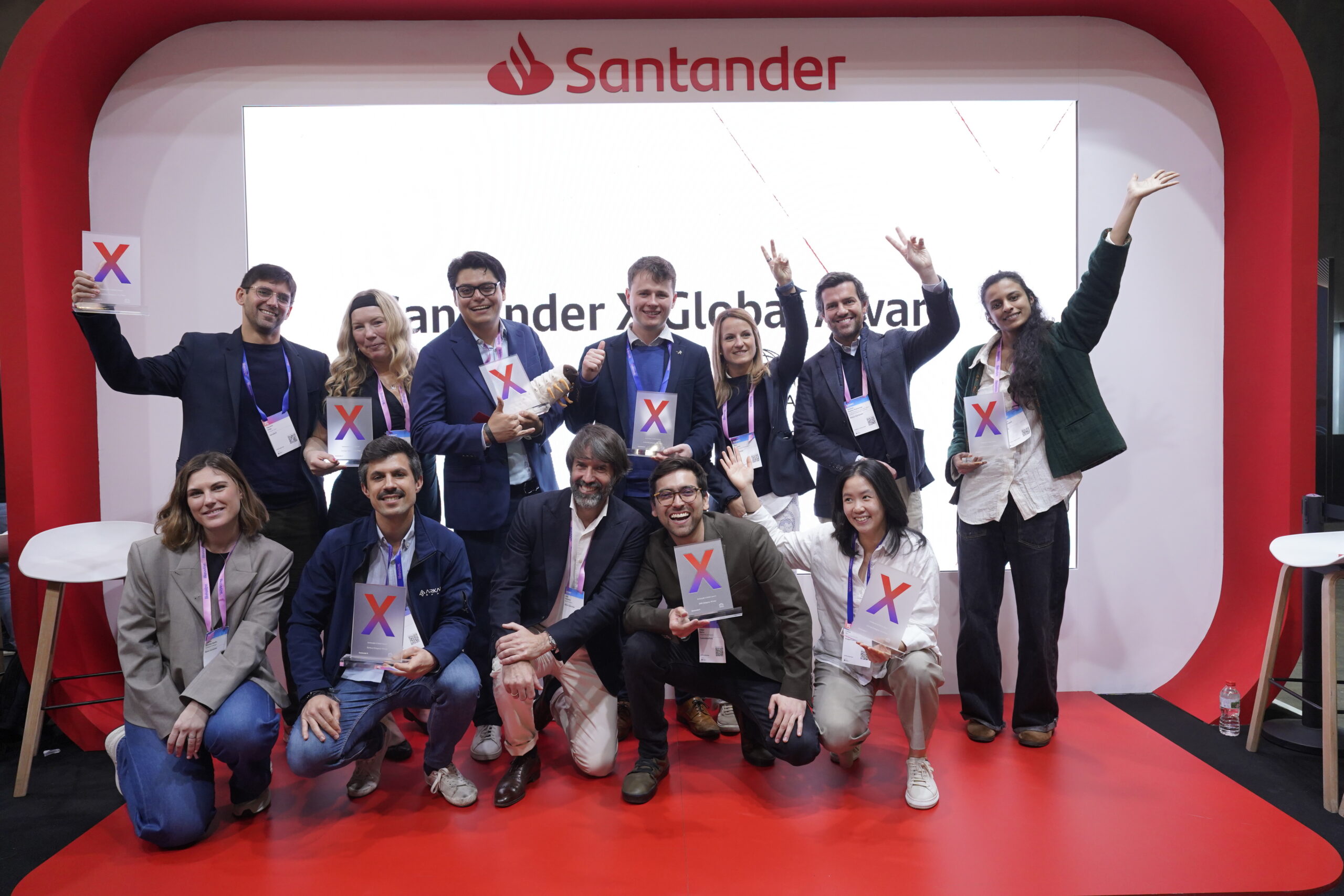
Santander X Global Challenges
The Santander X Global Challenges are one of Banco Santander’s flagship programmes to support the most innovative startups and scaleups across their footprint countries in Europe, the USA and Latin America. Every year, three themed Challenges call for innovative, technology-driven businesses to compete for a cash prize, mentoring support and access to Santander X 100 […]

Bridging international ecosystems: lessons from Oxentia’s internationalisation accelerator experience
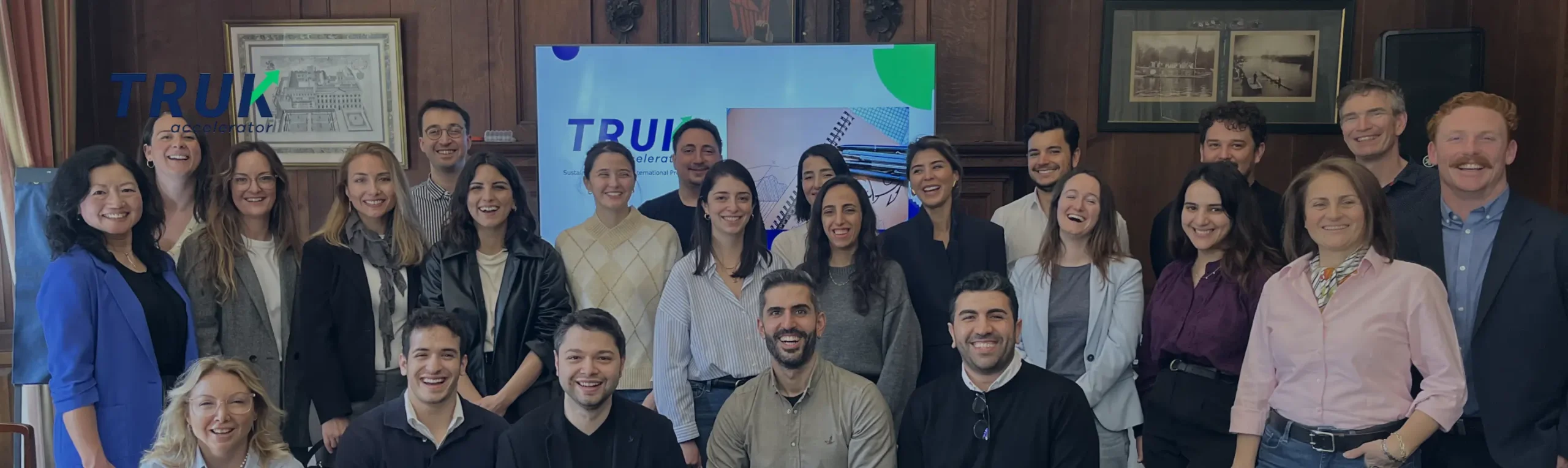
Startups from developing ecosystems often struggle to internationalise, and often if they do, it’s by moving their entire operation to a different country. This is a significant issue in development innovation, where ecosystem progression is stifled by talent and innovation flight towards resource-rich ecosystems. There are plenty of examples of high-potential ecosystems – Turkiye, Malaysia, […]

Impact at scale: the SHAPE opportunity
The commercialisation of Social Sciences, Arts and Humanities for People and the Economy (SHAPE) cannot be considered peripheral to innovation, it is central to how innovation actually works in advanced and emerging Research and Innovation (R&I) ecosystems. In economies dominated by services, public systems and people‑centred solutions, SHAPE research underpins how value is created, scaled […]
- 1
- 2